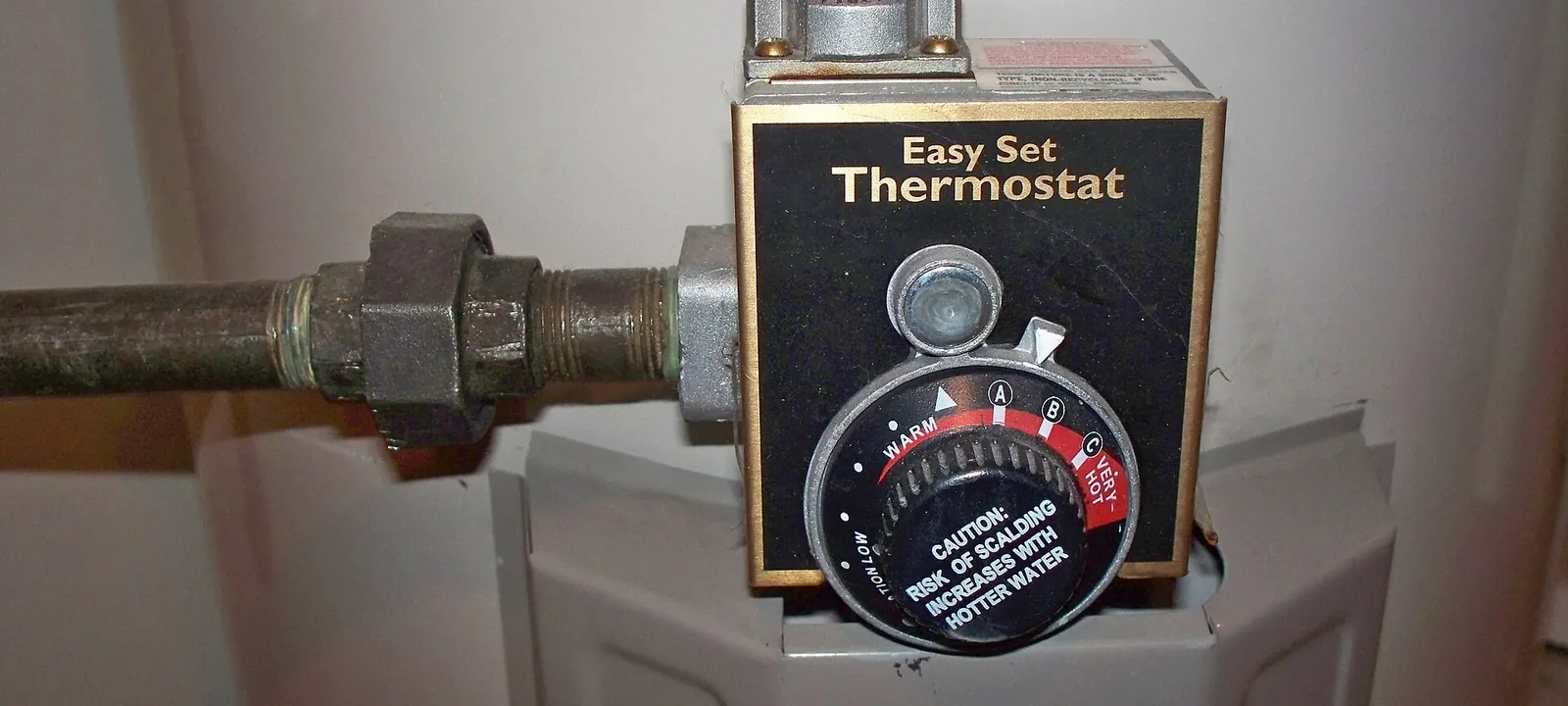
Signs your water heater needs help
These are the symptoms we hear about most, ordered by how fast you should act.
- Water pooling around the base of the tank, which can mean the tank itself has failed
- A rotten egg or gas smell near a gas-fired heater, which is a leave-first, call-second situation
- Lukewarm water that never gets hot, often a failed element or thermostat on an electric unit
- Rumbling or popping from the tank, a sign of mineral buildup on the bottom
- Rust-colored hot water only, which can point to a corroded tank or anode rod
How we find the fault before we quote
We shut off the fuel or power, then test rather than guess. On an electric heater that means checking both elements and thermostats with a meter. On a gas heater it means the thermocouple, gas valve, venting and burner.
Many repairs are small. A bad thermostat or element is a fraction of the cost of a tank. A leak from the tank body is different, because a steel tank that leaks from the shell cannot be patched. We say so plainly, and then water heater replacement becomes the honest answer.
Repair or replace: a quick way to decide
Age, symptom and tank condition together decide it. This table is a starting point for the conversation on site.
| What we find | Leans toward | Why |
|---|---|---|
| Dead element or thermostat, tank dry and clean | Repair | The tank is sound and the part is inexpensive |
| Pilot or thermocouple problem on a gas heater | Repair | A small safety part, quick to swap |
| Leak from a fitting or relief valve | Repair | The leak is outside the tank shell |
| Water seeping from the tank body | Replace | A corroded shell cannot be sealed |
| Older tank with heavy sediment and rust | Replace | Repairs stack up while the tank keeps declining |
Many tank heaters last around a decade, though local water and maintenance change that.
Hard water is hard on tanks here
The City of South St. Paul reports that its municipal well water is typically 18 grains per gallon, or 307 parts per million. That is hard water. Minerals settle at the bottom of a tank, force gas burners to run longer and bake onto electric elements until they burn out.
A yearly flush slows that down, and an anode rod check tells us how much protection the tank has left. If you rent or just bought an older home, ask when the heater was last flushed. A softener on the cold line, covered on our water softener and filtration page, protects the new tank as well.
Water is leaking from the heater right now
A leaking tank can put gallons on the floor in an hour, and basements here often have a floor drain nearby that is not as clear as it looks.
- Close the cold water shutoff on the pipe above the heater.
- Switch off the breaker or turn the gas control to pilot or off.
- Open a hot tap upstairs to relieve pressure if the relief valve is discharging.
- Move anything stored on the floor and call the 24/7 line for a same-day or after-hours visit.
What a water heater repair costs and why it varies
The call-out and the parts differ every time. These are the factors that move the number.
Homeowners insurance rarely covers a water heater that wears out. It may cover damage if the tank bursts suddenly, so photograph the damage and read your policy.
Sources for this page
The hardness figure comes from the City of South St. Paul's published water FAQ. Relief valve requirements sit in Minnesota Rules chapter 4714, which is based on the 2018 Uniform Plumbing Code (UPC). The gas emergency number is Xcel Energy's published line.
Questions people ask
Yes. The 24/7 line is staffed every night and weekend, and we book same-day appointments when available for leaks and no-hot-water calls.
That is usually sediment trapped under the tank water, which boils and pops as the burner or element heats. Flushing helps, and heavy buildup may mean the tank is nearing the end of its life.
If the unit is gas and you smell gas, do not try. If there is no smell, follow the label on the tank. If the pilot will not stay lit, a failed thermocouple or draft problem needs a plumber.
Many tank heaters run roughly 8 to 12 years. Hard water, no flushing and a spent anode rod shorten that, and a clean tank on a softened line can run longer.
The city of South St. Paul lists water heaters among the residential plumbing permits available through its online permit system. Ask the city whether your specific repair or replacement needs one, and we tell you what we find for your job.
Yes. Error codes, scale buildup and failed igniters are common. See our tankless water heater page for descaling and service.