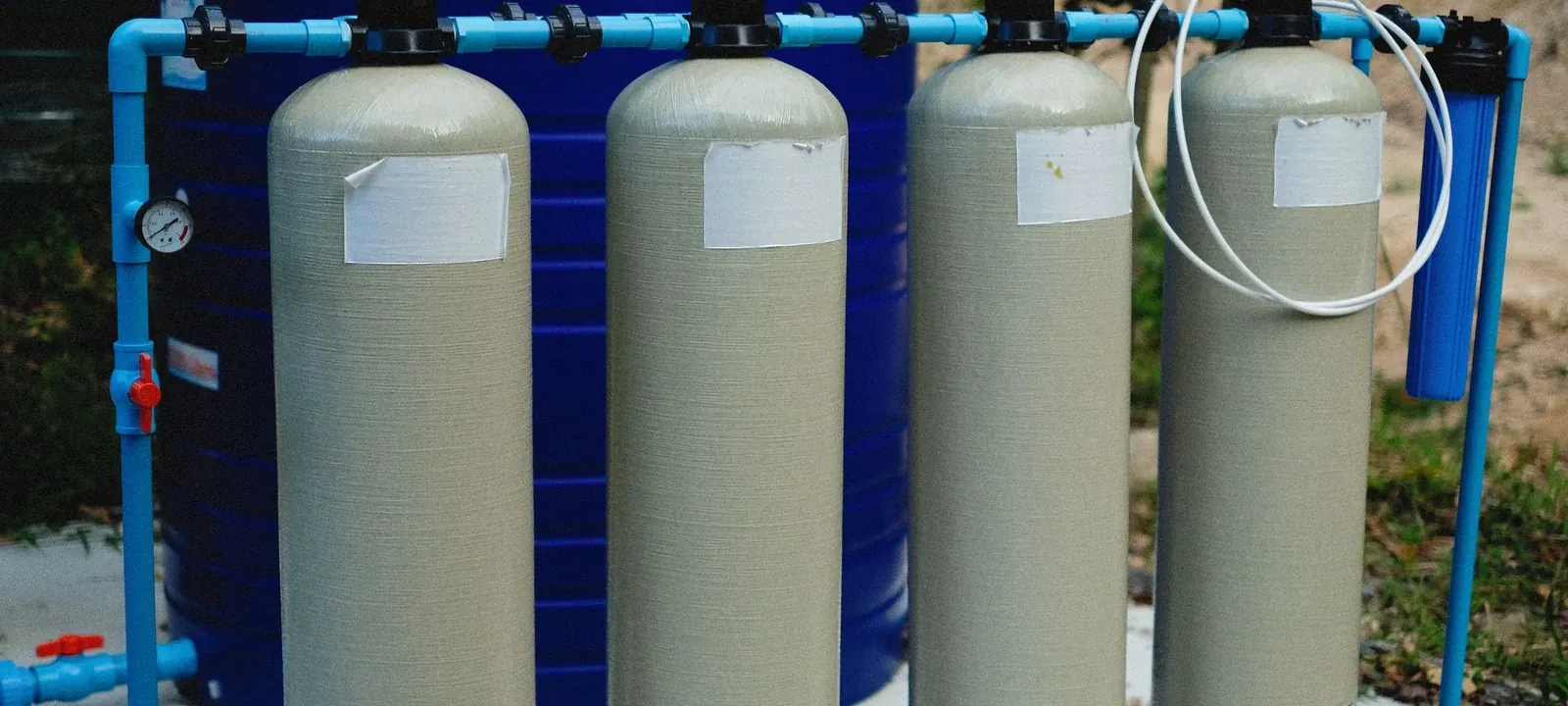
What 18 grains per gallon means for your house
Hardness is dissolved calcium and magnesium. The Minnesota Department of Health notes that water over about 7 grains per gallon, or 120 milligrams per liter, may benefit from softening. The city's reported figure is well above that line.
Because hardness can change over time and between homes, we recommend you test your tap rather than rely only on the citywide number. Ask us or the city's water utility, and keep the annual drinking water report handy. The city issues it each April.
Softening and filtration compared
A softener and a filter do different jobs.
| System | What it does | What it does not do |
|---|---|---|
| Salt-based softener | Removes calcium and magnesium | Does not filter chemicals or taste |
| Carbon filter | Reduces chlorine taste and odors | Does not soften water |
| Reverse osmosis at the tap | Treats drinking water | Does not protect the whole house |
| Scale inhibitor | Reduces scale buildup without salt | Does not remove hardness |
Choose from the problem you want to solve, not the brochure.
Where hardness shows up first
Water heaters usually show hard water damage before anything else. Scale on elements and on tank bottoms raises energy use and shortens the life of the heater. See tankless water heaters for the units most sensitive to scale.
Dishwashers, faucet aerators and showerheads also clog with mineral crust. The first signs are white crust on fixtures, spots on glasses and soap that does not lather.
How installation works
A softener install fits into a few steps.
Test the water
We check hardness and ask about iron or taste issues.
Choose location
The unit needs a drain, power and space near the water entry.
Plumb in
We install the bypass, connect the supply and run the drain line.
Set up
We program the unit to your hardness and household size.
Rules and who can do the work
Minnesota's plumbing code, chapter 4714, governs how a softener connects to supply and drain. The Minnesota Department of Labor and Industry issues water conditioning licenses, and plumbers install the water supply piping. Check credentials in the DLI lookup.
Softener settings, salt type and discharge matter, and we explain them in plain language so you can maintain the system.
What affects softener and filter pricing
Quotes come after a hardness test.
Insurance does not cover water treatment. Some water heater warranties require a softener, so read the terms.
Salt, maintenance and what to expect
A salt-based softener uses salt to recharge. Check the salt level every few weeks and keep it above the water line in the brine tank. Salt bridges, where a hard crust forms, can stop the unit from working, so break them up if you see one.
Softened water feels slippery on skin, which surprises some people. Most notice less scale, fewer spots and softer laundry. If you are on a sodium-restricted diet, ask your doctor about the sodium added by softening and use a separate drinking tap if advised.
Sources for this page
Hardness comes from the City of South St. Paul's published water FAQ. The softening threshold comes from the Minnesota Department of Health's guidance. Installation follows Minnesota Rules chapter 4714 and the Uniform Plumbing Code (UPC).
What to do if your water looks or tastes wrong
Not every water problem is hardness.
- Run a cold tap for several minutes and check again
- Note color, smell and when it started
- Ask the City of South St. Paul about recent main work or flushing
- Do not drink water that smells like sewage or fuel
- Call us if the problem is only in your house
Questions people ask
The City of South St. Paul reports typical hardness around 18 grains per gallon, or 307 parts per million. That is well above the 7 grains per gallon level the Minnesota Department of Health says may benefit from softening.
If you see scale, spots or a short water heater life, it is worth considering. Test your tap first.
It can add a little sodium. Most people notice softer feeling water and fewer spots.
Usually every few weeks, depending on use. We show you what to check.
Our 24/7 line dispatches for leaks and active water problems, and we book same-day appointments when available.
Yes. We can check hardness on site, and we recommend asking your water utility for its latest report too.