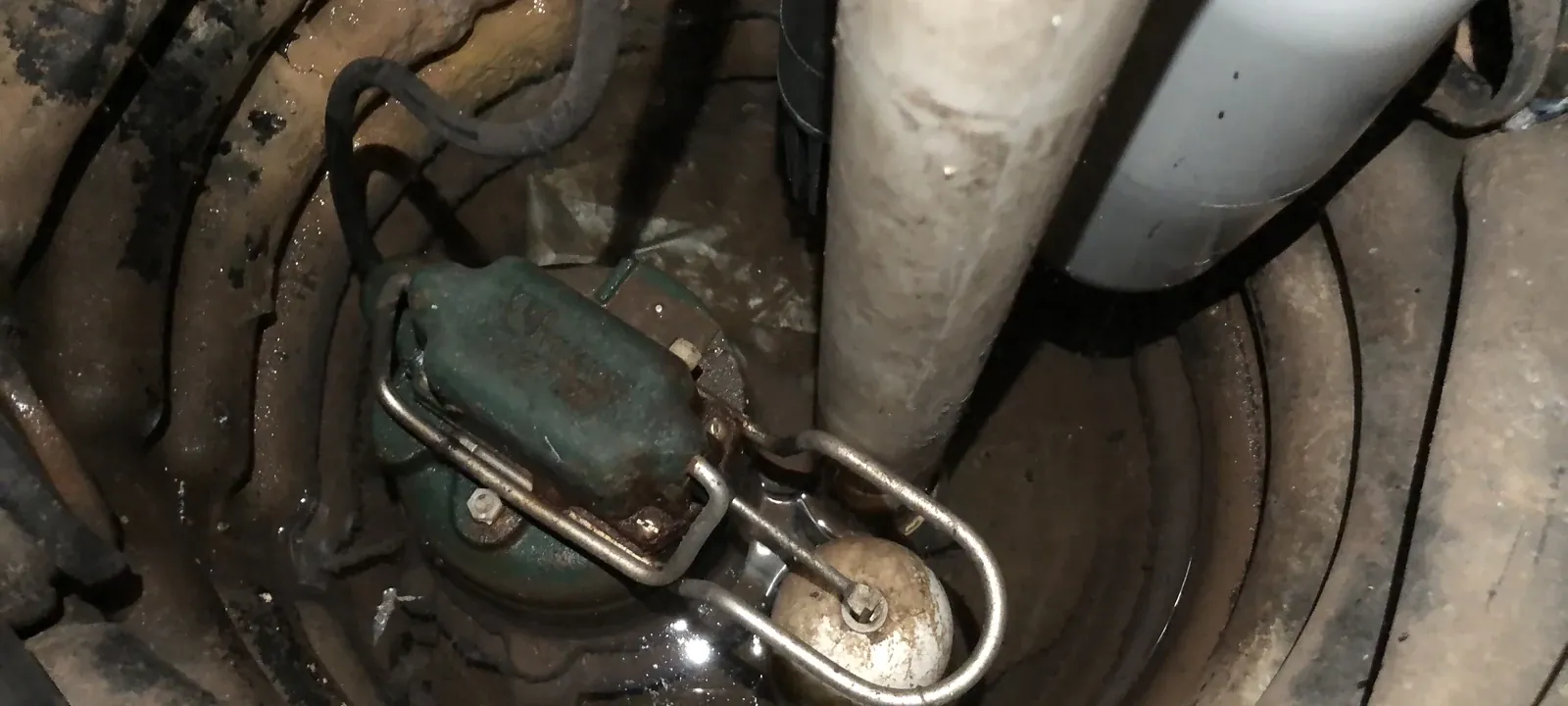
Basement taking on water now
Every minute with a dead pump adds water to the floor.
- Make sure the pump is plugged into a working outlet and the breaker has not tripped.
- Lift the float by hand. If the pump runs, the float is stuck or tangled. If it does not run, the motor or switch has failed.
- Move boxes, rugs and electronics off the floor and away from the pit.
- Call the 24/7 line for same-day or after-hours dispatch. Do not step into standing water near outlets.
Where the water must go in South St. Paul
The City of South St. Paul requires sump pumps to discharge outside. The city does not allow sump pump discharge into the sanitary sewer, laundry tubs or floor drains. The Metropolitan Council makes the same point regionally, because clear water in the sanitary system overloads wastewater treatment.
If your pump drains into a floor drain or a laundry sink, we reroute it to a legal outdoor discharge. We also look at where the discharge ends so it does not freeze shut in January or flow back toward the foundation.
Pump types and where they fit
The pit and the water table decide the choice.
| Type | Strengths | Tradeoffs |
|---|---|---|
| Submersible | Quiet, sits in the pit, handles most homes | Harder to service if sealed |
| Pedestal | Easier to service, longer life in a dry pit | Louder, and needs a clean narrow pit |
| Battery backup | Runs during a power outage | Needs battery checks and replacement |
| Water-powered backup | No battery | Needs city water pressure and uses water |
Storms often cut power, so a backup matters most when the main pump needs it most.
Floodwall, bluff and the basement
South St. Paul sits beside the Mississippi River, and the floodwall and levee were built in 1967 to protect much of the lowland area. The wall does not keep groundwater out of a basement. Groundwater and rain runoff do that on their own schedule.
Homes along the bluff above Concord Street face runoff more than river water. That is the case for a well-placed pit and a clear discharge. If your basement is damp without a pit, basement waterproofing explains the options.
Spring test routine
Do this twice a year and after any outage.
Pour in water
Add a bucket of water to the pit and watch that the pump starts.
Check the float
Lift it by hand and confirm it moves freely.
Inspect the discharge
Make sure the outside pipe is open and drains away from the house.
Test the backup
Unplug the main pump briefly to run the backup.
What affects sump pump pricing
The pump itself is only part of the job.
Standard homeowners insurance often excludes groundwater and sump failure unless you add a water backup endorsement. Ask your carrier before you need it.
Sources for this page
Discharge rules come from the City of South St. Paul and the Metropolitan Council. The floodwall year and the area it protects come from city records, and crest figures come from National Weather Service records. Pump piping follows Minnesota Rules chapter 4714.
Questions people ask
Yes. The 24/7 line is open all night and on weekends, and we book same-day appointments when available for failed pumps and rising pits.
No. The City of South St. Paul says sump pumps must discharge outside and not into the sanitary sewer, laundry tubs or floor drains.
Many last roughly seven to ten years. Heavy use and debris shorten that.
If your basement floods when the power fails, yes. It runs for a limited time, so check what the battery provides.
A stuck float, a failed check valve or a very high water table can do it. We check each.
Yes, with floor cutting. We cover floor repair in the quote.